
資生堂ギャラリーで開催中の「うたう仲條 おどる仲條 -文字と画と、資生堂と」展と連動し、仲條正義氏とゆかりの深い人方々に、その仕事やまなざしについてうかがう連載「仲條ヲ語る」。
ともに過ごした時間、交わしたことば、現場での記憶——それぞれの視点から浮かび上がるのは、デザイナーとしての姿だけでなく、ひとりの人間としての仲條正義氏です。
第2回は、美術史家の山下裕二氏。『花椿』で2005年4月号から2011年12月号まで連載された「其ノ、ココロハ」は、毎回、一見異なる二つのアートを題材に、その奥にある”ココロ”に迫る企画でした。今回はその特別編として、仲條正義氏を題材に執筆いただきました。
山下裕二A
小村雪岱(1887~1940)は、明治41年に東京美術学校を卒業した。
そして、大正7年に資生堂意匠部に入社した。
大正12年に退社、わずか5年の勤務だった。
だが、資生堂に大きな功績を遺した。
かの細長い「資生堂書体」は、雪岱がロゴデザインをしたものだ。
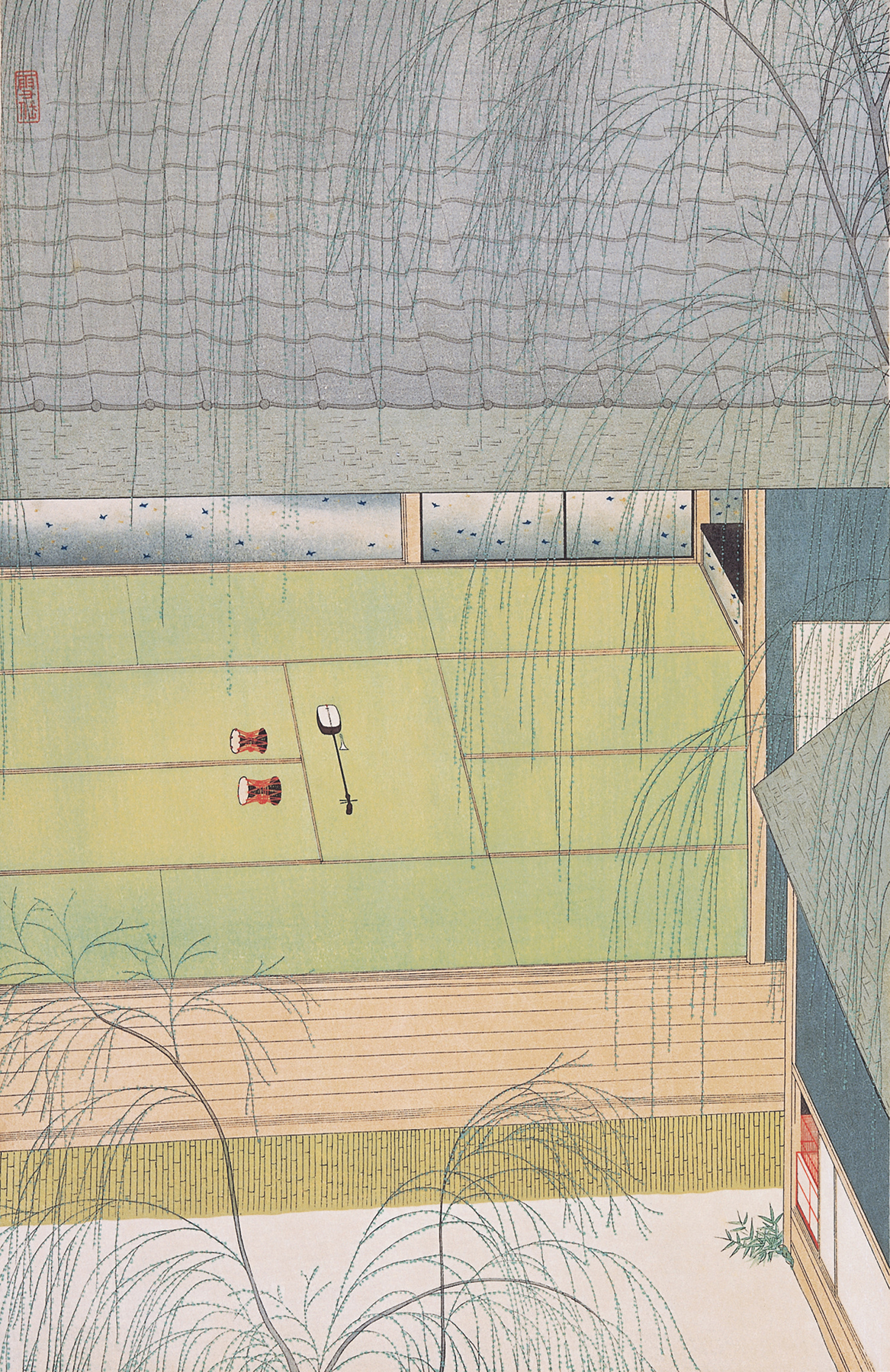
資生堂退社後の作品「青柳」。
青畳の上に、三味線と鼓。
柳の曲線と建物の直線が響きあう。
稽古の前なのか、後なのか。
人がいないのに、人の気配を感じる。
いわゆる「留守模様」である。
雪岱のデザインは、ものすごく格好いい。
でも、その格好よさを声高に主張したりはしない。
権威になりたいなどとは、露ほども思っていなかった。
私は、そんな雪岱が大好きだ。
雪岱と酒を酌み交わしたかった。
Photographer:小暮徹 Toru Kogure
山下裕二B
仲條正義(1933~2021)は、昭和31年に東京藝術大学を卒業した。
そして、その年に資生堂宣伝部に入社した。
昭和34年に退社、わずか3年の勤務だった。
だが、その後も『花椿』のグラフィック・デザインに携わった。
その誌面は、長らく仲條デザインの精華となった。
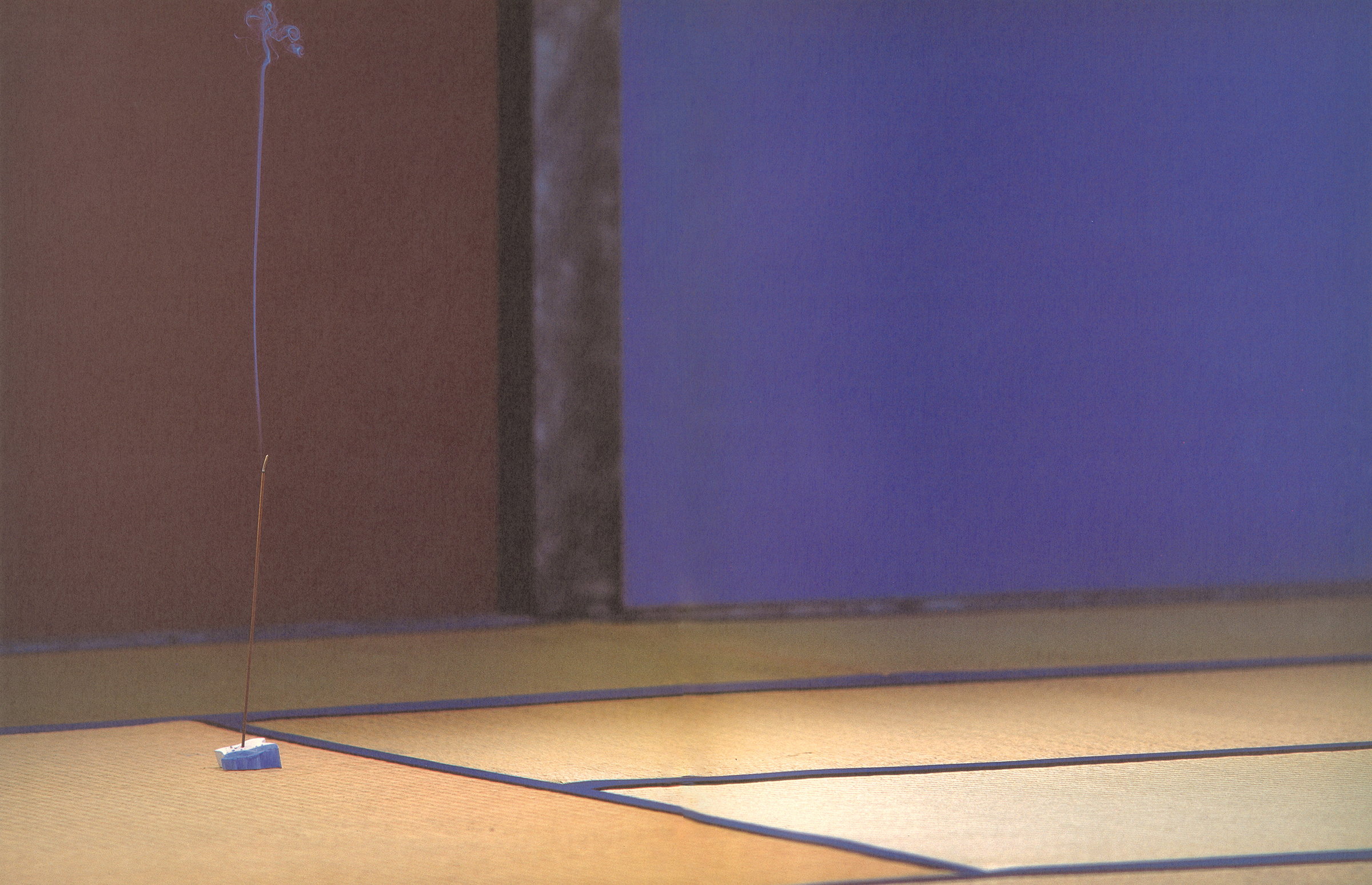
資生堂退社後の『花椿』の誌面、「南無ブルー、嗚呼サマー」。
畳の上に、お香が立ててある。
畳の縁が青いのは、この撮影のために設えたのか?
お香を立てたのは、仲條のアイデアだろう。
人がいないのに、人の気配を感じる。
いわゆる「留守模様」である。
仲條のデザインは、メチャクチャ格好いい。
でも、その格好よさを、格好悪い人にわかってほしいなどとは思っていない。
だから、見ればわかるでしょ、と余計な説明など一切しない。
私は、そんな仲條が大好きだ。
仲條さんと酒を酌み交わした思い出は、私の一生の宝物である。
山下裕二
1958年広島県呉市生まれ。美術史家、明治学院大学文学部芸術学科教授。東京大学文学部美術史学科卒業、同大学院修了。室町時代の水墨画研究を起点に、縄文から現代まで幅広く日本美術を論じる。主な著書に『室町絵画の残像』(中央公論美術出版、2000)、『岡本太郎宣言』(平凡社、2000)、『日本美術応援団』(赤瀬川原平との共著、日経BP、2000/ちくま文庫、2004)、『未来の国宝・MY国宝』(小学館、2019)など。『日本美術全集』(小学館、2012–2016)全20巻の責任編集を務める。2024年に『日本美術をひらく 山下裕二論考集成』(小学館)を刊行。同年「円山応挙―革新者から巨匠へ」展(三井記念美術館)を監修。
-
仲條ヲ語る#4 「資生堂が持つ「文化的なイメージ」を つくり上げたのは仲條さんなのかもしれない。」
Talking about Nakajo #4 "Nakajo maybe the one who created the "cultural image" of Shiseido"
-
仲條ヲ語る#3 「仲條正義流の「本歌取り」」
Talking about Nakajo #3 "Masayoshi Nakajo’s Art of “Honka-dori”"
-
仲條ヲ語る#1 「デザインにも表れる根っからの東京人的気質」
Talking about Nakajo #1 "A fundamentally Tokyoite sensibility—even in design"
-
映画には思いや願いがつまっている
Movies are full of thoughts and wishes.
-
Hanatsubaki New Issue No.833
Hanatsubaki New Issue No.833
Talking about Nakajo #2 "The Spirit Within: Komura Settai × Masayoshi Nakajo"
2026.3.17
Text/Yuji Yamashita
In conjunction with the exhibition Nakajo Sings, Nakajo Dances—Letters, Pictures, and Shiseido, currently on view at the Shiseido Gallery, this interview series invites people who knew Masayoshi Nakajo well to reflect on his work and presence.
Through shared memories, conversations, and recollections from the field, a portrait gradually emerges—not only of Nakajo the designer, but of Nakajo the person.
For this second installment, we welcome art historian Yuji Yamashita. His column Sono, Kokoro wa (The Spirit Within) ran in Hanatsubaki from April 2005 to December 2011. Each installment examined two seemingly unrelated works of art, exploring the “spirit” that connected them beneath the surface. For this special edition, Yamashita contributes a new piece reflecting on a figure who was never previously the subject of the column: Masayoshi Nakajo.
Yuji Yamashita A
Komura Settai (1887–1940) graduated from the Tokyo Fine Arts School in 1908.
In 1918, he joined the design department at Shiseido.
He left in 1923—after only five years.
Yet his contribution to Shiseido was immense.
The long, slender “Shiseido typeface”—that iconic logo—was designed by Settai.
One of his later works, created after leaving Shiseido, is Aoyagi.
On green tatami mats sit a shamisen and a small hand drum.
The curved lines of willow branches resonate with the straight lines of the building.
Is it before practice, or after?
No people are present.
And yet one senses their presence.
This is what is known as a “rusu-moyō”—a scene suggesting absence.
Settai’s design is incredibly cool.
But he never loudly insists on that coolness.
He had not the slightest desire to become an authority.
I love Settai for that.
I wish I could have shared a drink with him.
Yuji Yamashita B
Masayoshi Nakajo (1933–2021) graduated from Tokyo University of the Arts in 1956.
That same year, he joined the advertising department at Shiseido.
He left in 1959—after only three years.
Yet afterward he continued to design for Hanatsubaki.
Over time, its pages became the very essence of Nakajo’s design.
One spread from Hanatsubaki after he left Shiseido bears the title:
“Namu Blue, Ah Summer.”
On tatami mats stands a stick of incense.
Was the blue tatami edging prepared specifically for this photograph?
Placing the incense must have been Nakajo’s idea.
No people are present.
And yet one senses their presence.
Again, a “rusu-moyō.”
Nakajo’s design is unbelievably cool.
But he has no desire for people with bad taste to understand that coolness.
So he never explains anything unnecessarily.
You look—and you understand.
That’s all.
I love Nakajo for that.
The memories of sharing drinks with him are treasures I will carry all my life.
Yuji Yamashita
Born in 1958 in Kure, Hiroshima Prefecture. Art historian and Professor in the Department of Art Studies, Faculty of Letters, Meiji Gakuin University.He graduated from the Department of Art History at the University of Tokyo and completed his graduate studies there. Beginning with research on Muromachi-period ink painting, his work ranges widely across Japanese art from the Jōmon period to the present.
His publications include Echoes of Muromachi Painting (Chuo Koron Bijutsu Shuppan, 2000), The Okamoto Taro Manifesto (Heibonsha, 2000), The Japan Art Support Group (co-authored with Genpei Akasegawa; Nikkei BP, 2000 / Chikuma Bunko, 2004), and Future National Treasures: My National Treasures (Shogakukan, 2019).He served as the general editor of the 20-volume series Complete Works of Japanese Art (Shogakukan, 2012–2016). In 2024 he published Opening up Japanese Art: Collected Essays of Yuji Yamashita (Shogakukan), and curated the exhibition “Maruyama Ōkyo: From Innovator to Great Master” at the Mitsui Memorial Museum.