
資生堂ギャラリーで開催中の「うたう仲條 おどる仲條 -文字と画と、資生堂と」展と連動し、仲條正義氏とゆかりの深い人方々に、その仕事やまなざしについてうかがう連載「仲條ヲ語る」。
ともに過ごした時間、交わしたことば、現場での記憶——それぞれの視点から浮かび上がるのは、デザイナーとしての姿だけでなく、ひとりの人間としての仲條正義氏です。
第6回は、フォトグラファーのシンディ・パルマノ氏。1980年代後半から90年代にかけて、『花椿』の表紙をはじめ、いまも多くの人に愛される特集の数々を撮影しました。ことばの壁を越えて仲條正義と築いた信頼について、氏の仕事への誠実さ、そして自由に遊ぶということについてうかがいました。
ーーーーーーーーーーーーーーーーーーーーーーーーーーーーーーーーーー
ことばがなくても、通じていたもの
——シンディさんと仲條さんは、どのようにコミュニケーションを取っていたのでしょうか。
仲條さんとは、直接ことばでやりとりすることはできませんでした。仲條さんは英語を話さず、私は日本語を話せませんでしたから。ことばはいつも、当時の『花椿』編集長だった平山景子さんを通じて、短いメッセージとして届いていました。
景子さんは、毎シーズンのようにロンドンへ来て、いろいろなアイデアを見つけて東京に持ち帰っていました。そして仲條さんがそれを選ぶ。彼女は橋渡しのような存在でもあり、同時に、とても優れた目利きでもありました。
でも、ことばがなくても通じていたものはあったと思います。仲條さんのセンスは信頼していましたし、彼が気に入ってくれたときはわかりました。景子さんがきっかけをつくってくれたのだと思いますが、仲條さんと私はセンスが合っていて彼もシンパシーを感じてくれていたと思います。一緒にできると彼も感じていたのではないでしょうか。
ユーモアのセンスが似ていたから、わたしを選んでくれたのでしょう(笑)。
真剣に、遊ぶ
——あなたが『花椿』の仕事をよくしていた時代はどんな時代でしたか。
あのころ、日本とイギリスのあいだには特別な関係があったと思います。ふたつの島国が、ある種の恋愛のように、お互いのなかに何かを見出していた時代でした。
ヴィヴィアン・ウエストウッドやジョン・ガリアーノをはじめとする才能が、ファッションを内側から変えつつありました。そのエネルギーは、クラブやスタジオや小さなショップへと静かに広がっていた。景子さんはその渦の中心にいて、毎シーズン、ロンドンと東京を行き来しながら、生まれつつあるものを見つけていました。
彼女は何かを見つけたんです。そして、それは正しかった。
——『花椿』での撮影は、他の雑誌の仕事とは違いましたか。
まったく違いました。私が『花椿』の表紙を撮り始めたのは20代半ばのころでしたが、仲條さんは他の雑誌なら到底通らないような企画を、次々と後押ししてくれました。
マリのドゴン族を撮るための旅。ロンドンで撮影したバラの特集。そこには仲條さん自身のイラストも掲載されました。コーンウォールでの3週間は、妖精と魔法と、霊的な世界の実在を問い続けた旅でした。こんな企画を通してくれる雑誌は、他にありませんでした。ヴォーグに、建築やバラの特集を持ち込んでも通りませんでしたからね。
『花椿』には自由がありました。私には制限も縛りもありませんでしたし、仲條さんにもそういうものはなかったと思います。彼は型破りな人でしたね。
——コーンウォールの撮影には、仲條さんと平山さんも同行されていたそうですね。
そうなんです。仲條さんと景子さんも、イギリスのデヴォンまで来てくれました。本当に楽しかったです。ただ遊んでいたんです(笑)。もちろんアイデアに裏打ちされていましたし、真剣に取り組んでもいました。でも、あれは撮影であると同時に、遊びでした。
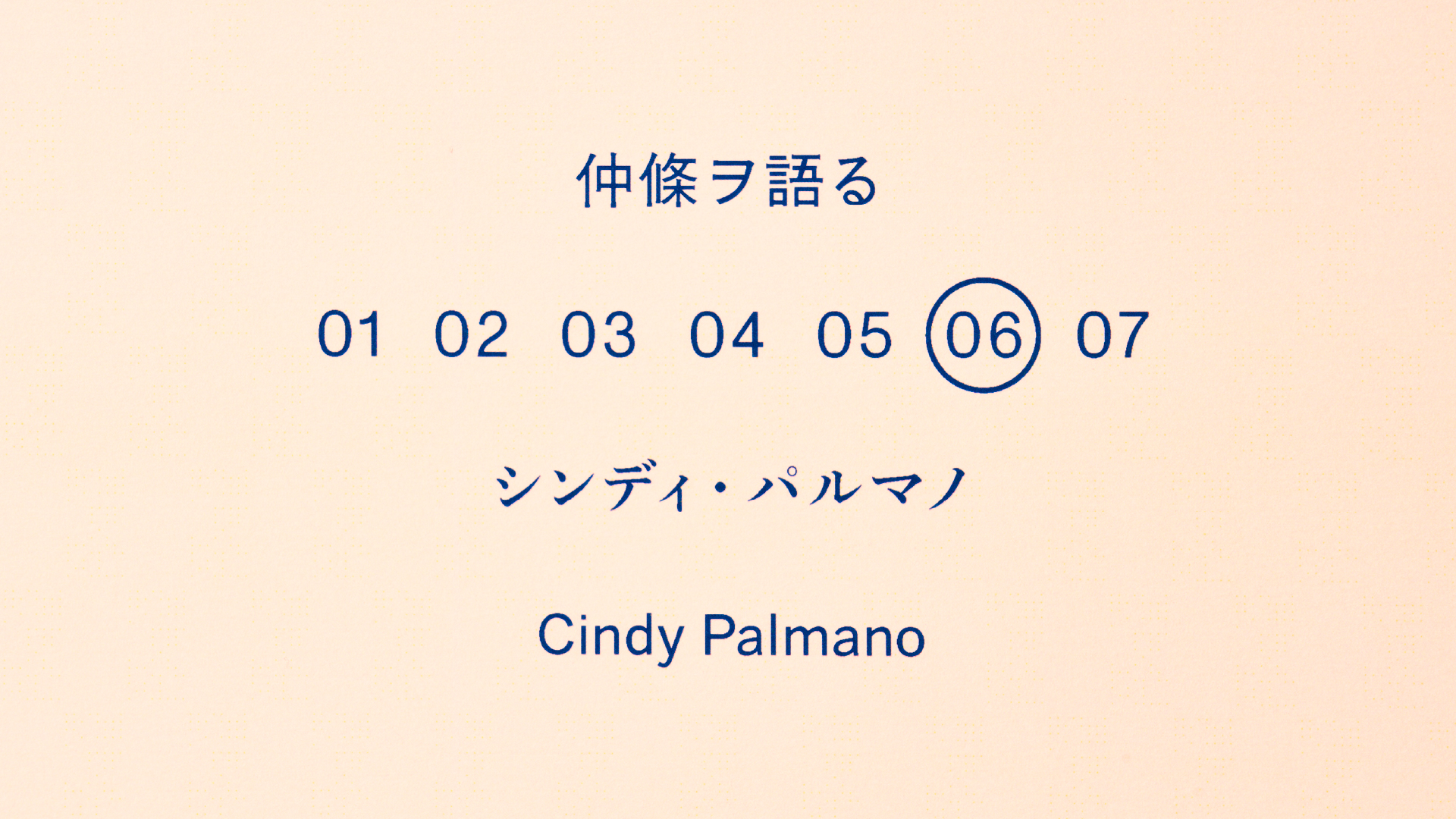
Photography シンディ・パルマノ
「Thank You for Making the Magazine Better」
——仲條さんとの信頼関係を強く感じた出来事はありますか。
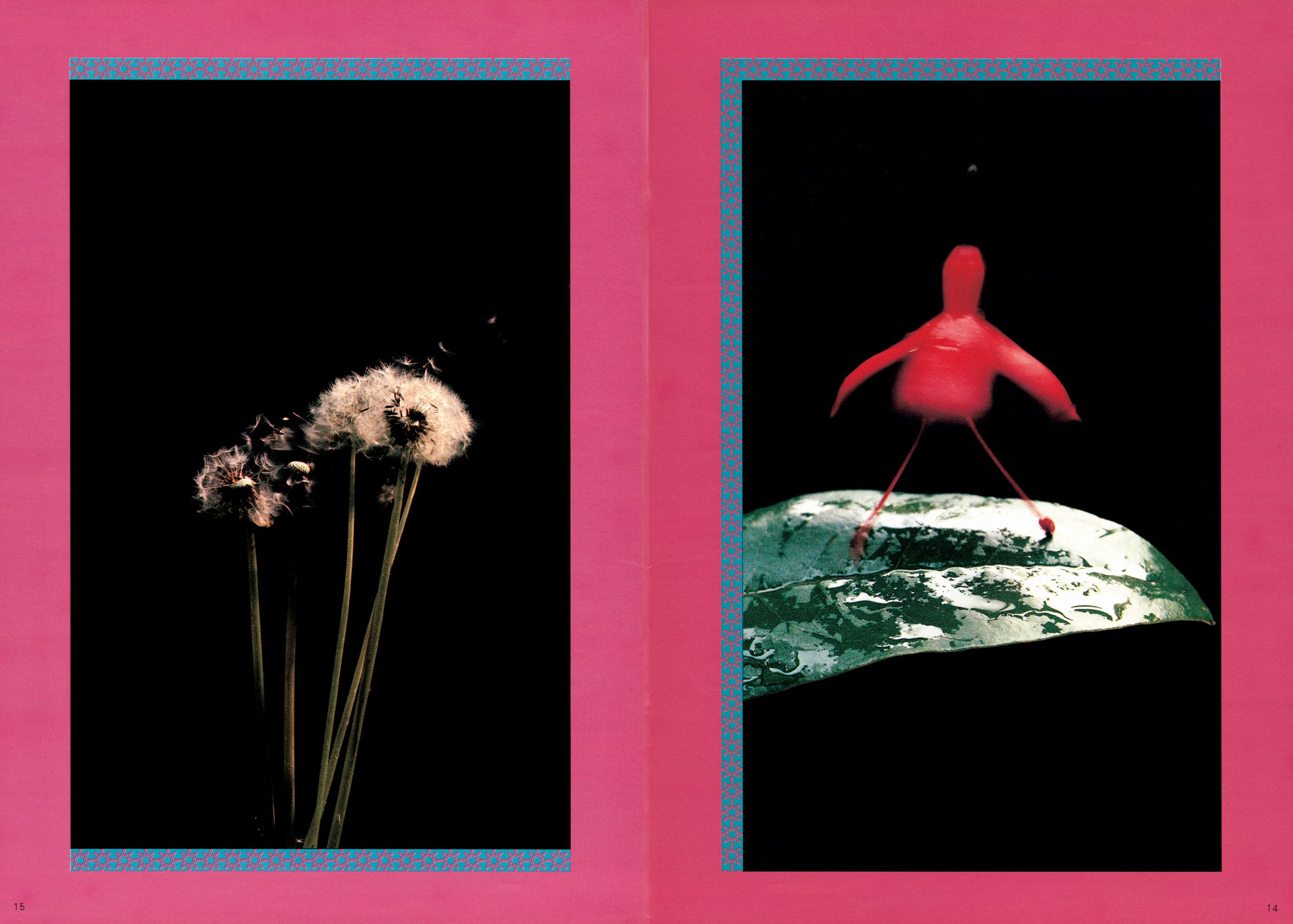
ある表紙のために、色素転写法という希少な印刷プロセスを使ったことがありました。印刷ロールに直接かけるために、特定の方法で台紙に固定しなければならない技法です。日本に着いて仕上がりを確認したとき、そのクオリティに私は打ちのめされました。あまりに悔しくて、誰とも話せなかった。それで控室のドアを閉めてしまったんです。いま思うと、恥ずかしいですね。(笑)
でも仲條さんは、印刷会社に戻って、もう一度やり直すように交渉してくれました。クオリティは改善されました。そして彼は私のところへ来て、こう言ったんです。
「Thank you for making Hanatsubaki better」と。あの英語は、そのために覚えてきたんじゃないかと思います。短い一文でした。もしかしたら、準備してきたことばだったのかもしれません。でも、そこにすべてが詰まっていました。私が本当に気にかけていることを、彼はわかってくれていました。そして彼も、同じように気にかけていた。私たちが共有していたのは、同じケアだったのだと思います。
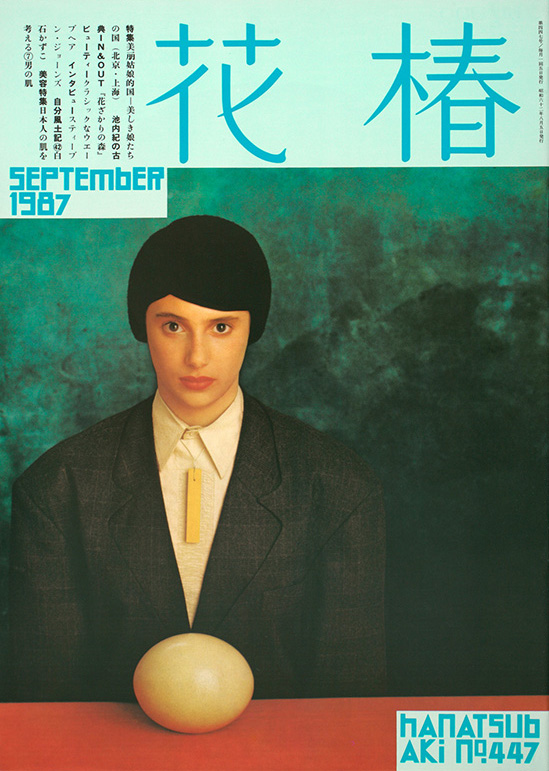
Photography シンディ・パルマノ
Stylist パトリック・キンモンス
ふたりに共通していたもの
——そのケアということばは、シンディさんにとって大切なものなのですね。
はい。このコラボレーション全体の核心にあることばだと思っています。仲條さん、景子さん、そして想像もしていなかった読者たちをつないでいたものでもありました。ロンドンで撮ったバラの写真が東京へ送られ、それが思いがけない形で人びとを動かしていました。雑誌に届いたファンレターが、私のもとへ転送されてきたこともあります。自分の仕事がどう受け取られているかは、なかなか知ることができません。でも、日本の読者はとても詩的だと思います。
——仲條さんと平山さんが理解してくれていたからこそ、自由に撮ることができたのでしょうか。
そうだと思います。守ってくれていたと思います。だから遊べたんです。
もちろん、うまくいくこともあれば、そうでないこともあります。自由に作っているとき、それが時代を超えるかどうかは、その場ではわかりません。でも、完璧なものしか出さないようにしようと慎重になりすぎたら、何も作れなくなってしまいます。
仲條さんはとても多くの作品を手がけました。よいものもあれば、そうでないものもあるかもしれません。でも全体として膨大な仕事で、そのほとんどは時代を超えました。本当に、超えたんです。
——ことばの壁があっても、通じ合っていたんですね。
とても自然な関係でした。温かくさえありました。
日本に滞在していたときのことです。大勢の人に交じって横断歩道を渡ろうとしていたとき、子どもが小さかったころの癖で、つい隣にいた仲條さんの手を取っていたんです。そのまま道を渡って、気がつきました。何をしているんだろう、って。でも、どちらも何も言いませんでした。なかったことのように、ふるまって。
そういうことなんだと思います。とても自然な関係で、かしこまった感じはありませんでした。仲條さんとわたしは、仕事仲間であり、そして友だちのようでもあったのです。
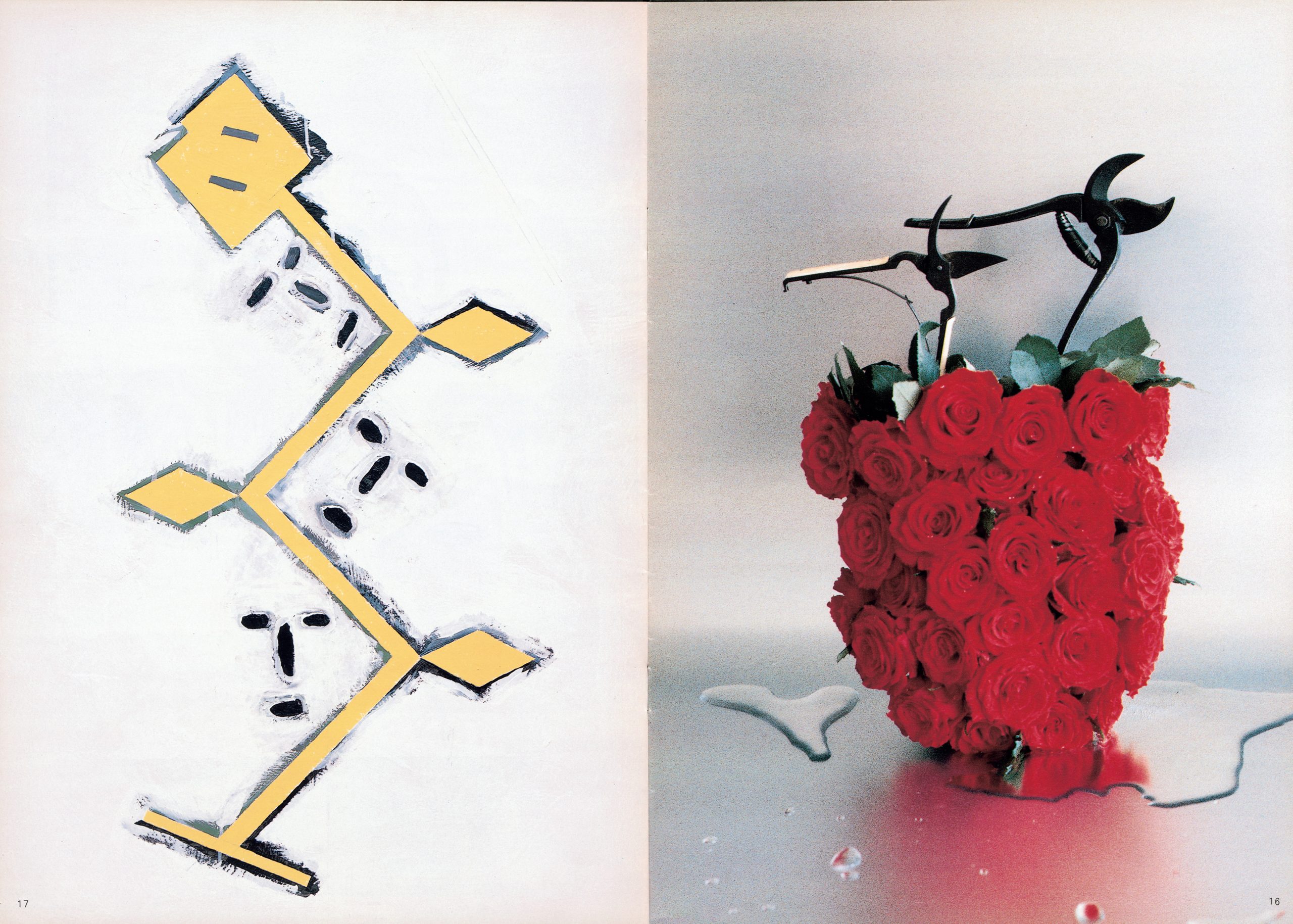
Illustration 仲條正義
Photography シンディ・パルマノ
シンディ・パルマノ
ロンドンを拠点に活動する写真家。1980年代後半よりファッション、音楽、カルチャーの分野を横断して活躍し、大胆なユーモアのセンスと、ファッション写真における型破りなアプローチで知られる。1980年代後半から1990年代にかけては『花椿』と精力的にコラボレーションを行い、数多くの表紙や特集の撮影を手がけた。アートディレクターの仲條正義氏、当時の編集長・平山景子氏とともに、同誌のなかでも極めて自由で実験的なページの数々を創り上げた。
-
Photographic Dialogue with International Female Artists vol.2
Photographic Dialogue with International Female Artists vol.2
-
清原惟 『A Window of Memories』 語りと余白が編む、記憶のかたち
『A Window of Memories』
-
仲條ヲ語る#7 「印刷物への愛を込めて−−時代を超える、仲條正義の『花椿』」
Talking about Nakajo #7 "For the Love of Print: Nakajō Masayoshi’s Enduring Hanatsubaki”
-
仲條ヲ語る#5 「デザインと人生が重なるところ」
Talking about Nakajo #5 “Where Design and Life Overlap”
-
仲條ヲ語る#4 「資生堂が持つ「文化的なイメージ」を つくり上げたのは仲條さんなのかもしれない。」
Talking about Nakajo #4 "Nakajo maybe the one who created the "cultural image" of Shiseido"
Talking about Nakajo #6 "Thank You for Making the Magazine Better"
2026.7.17
“Thank You for Making the Magazine Better”
Cindy Palmano on Nakajo, care, and the freedom to play
There was no shared language to speak of. Nakajo Masayoshi, Art Director of Hanatsubaki, spoke no English. Cindy Palmano, the London-based photographer who shot some of the magazine’s most enduring covers — and some of its most beloved features — through the late 1980s and 1990s, spoke no Japanese. Between them stood Keiko Hirayama, editor-in-chief of Hanatsubaki at the time, who acted as both bridge and procurer — travelling to London each season, discussing ideas, bringing things back, and letting Nakajo select.
“Short messages would come via Keiko,” Cindy recalls. “I couldn’t actually communicate directly with Nakajo. But I trusted his sensibility, and I knew when he liked stuff.” In the absence of words, something else did the talking. “I think the relationship was initiated by Keiko, but Nakajo and I shared a sensibility — and he realized that we could work well together.” She thinks for a moment. “He chose to work with me because we had a similar sense of humour, probably.”
Playing, seriously
The collaboration existed within a very particular moment. Japan and England, Cindy says, had an extraordinary relationship in those years — a kind of love affair, two island nations that recognized something in each other. England was producing a wave of designers — Vivienne Westwood, John Galliano — who were changing fashion from the inside out, and the energy was spilling into the clubs and studios and small shops that were quietly reshaping culture. Keiko was at the centre of it, travelling between London and Tokyo each season, alert to everything that was emerging. “She spotted something,” Cindy says simply, “and she was right.”
What that working relationship made possible was, by any measure, extraordinary. Cindy was in her mid-twenties when she began shooting covers for Hanatsubaki. Nakajo backed proposals that no other magazine would have entertained. A trip to Mali to photograph the Dogon people. Roses, shot quietly in London, accompanied by Nakajo’s own illustrations. Three weeks in Cornwall, in pursuit of fairies, magic, and the unanswerable question of whether the spirit world exists.
“There was no other magazine I could work with that would back just some ideas like this,” she says. “I couldn’t go to Vogue or anyone who would do a story on architecture or roses.” The freedom was mutual and absolute. “I was quite unlimited, unrestricted — and he was unrestricted.” She pauses. “He was a maverick.”
Nakajo and Keiko even came to Devon for the Cornwall shoot. “We actually had a lot of fun,” Cindy says. “We really played. And of course it was informed by ideas, and we worked very hard — but it was playing as much as photography.”
The door, and what came after
The trust ran deep enough to survive — perhaps even to be cemented by — a single, memorable disagreement.
For one cover, Cindy had used a rare and technically demanding printing process called dye transfer, which required the image to be mounted in a very specific way to go onto the printing roll. When she arrived in Japan and saw how it had been handled, she was devastated by the quality. “I was so upset that I wouldn’t talk to anybody. I just shut the door. I feel so embarrassed,” she laughs now.
Nakajo went back to the printers. He pressed them to do it again, properly, on the roll. The quality improved. And then he came to find her.
“He said, ‘Thank you for making the magazine better.'” She stops. “I think he actually had learned the English to say it, maybe.”
It is a small sentence, and possibly a learned one. But it said everything. “They knew that I really cared. And he cared too. Our ambition was about care.”
What they shared
That word — care — sits at the heart of how Cindy understands the whole collaboration. It is what connected her to Nakajo, to Keiko, and to an audience she had never imagined. The roses, shot alone in London and sent across to Tokyo, moved people in ways she never anticipated. Fan letters arrived at the magazine and were forwarded on to her. And Cindy seems genuinely surprised to learn, in the course of this conversation, that readers had been making special trips to cosmetics counters since their high school days just to pick up a copy. “It’s impossible to know how anything you do is received,” she says. “But I think the Japanese audience is a very poetic one.”
That quality of attention — from the audience, from Nakajo, from Keiko — is what made the work possible. “I always got a sense from Keiko and Nakajo that they appreciated,” she says. “They had my back. And that means you can just play — and sometimes you pull it off, and sometimes it’s not so good.” She is quiet for a moment. “You don’t know when you’re being free if it’s going to survive the test of time. But if you’re so careful that you only release things that are perfect — well, you can’t really make anything at all.” She pauses. “He was very productive. Some of it is good and some of it probably isn’t. But overall, it’s a great big body of work — and most of it has stood the test of time. Most of it really has.”
The relationship, despite the language barrier, was easy. Warm, even. Cindy tells a story almost as an afterthought: walking in Japan one day, surrounded by a large group of people, her child young and on her mind — she reached out instinctively and took Nakajo’s hand to cross the road.
“And we crossed the road,” she says, “and I thought, what am I doing? Neither of us said anything. We just sort of pretended it hadn’t happened.” She laughs. “But I suppose that gives you a sense of it. It was a very easy relationship. It didn’t feel formal. It was friendly.”
Cindy Palmano
Photographer. Based in London, Palmano has worked across fashion, music, and culture since the late 1980s, and is known for her bold sense of humour and unconventional approach to fashion photography. From the late 1980s through the 1990s, she collaborated extensively with Hanatsubaki, shooting numerous covers and features. Working with Masayoshi Nakajo and then editor-in-chief Keiko Hirayama, she helped create some of the magazine’s most free-spirited and experimental pages.