
資生堂ギャラリーで開催中の「うたう仲條 おどる仲條 -文字と画と、資生堂と」展と連動し、仲條正義氏とゆかりの深い人方々に、その仕事やまなざしについてうかがう連載「仲條ヲ語る」。
ともに過ごした時間、交わしたことば、現場での記憶——それぞれの視点から浮かび上がるのは、デザイナーとしての姿だけでなく、ひとりの人間としての仲條正義氏です。
第7回は、International Library of Fashion Researchの創設ディレクターであり、アーキビストのエリス・バイ・オルセン氏。2023年には、TOKYO ART BOOK FAIRで『花椿』へのトリビュートとなる冊子を制作しました。紙の手触り、積み重なる時間、日常にひそむ美——膨大なアーカイブに向き合った彼女が、仲條正義氏の『花椿』に見出したものとは。
——————————————————————————————————————–
現代の出版について語るとき、紙媒体の死が予言されてきたことに触れないわけにはいきません。かつて街にあったニューススタンドは姿を減らし、書かれたことばは、どこか停滞しています。30秒の動画、すぐに消えていくコンテンツ、スクロールの中で目を引くクリックベイトの見出し。ソーシャルメディアのプラットフォームは、テキストに背を向けているようにも見えます。
インターネットの時代にあって、紙のメディアはしばらく顧みられないものになっていました。けれどその一方で、印刷物はふたたび、私的で、感覚にひらかれ、深く入り込むことのできるものとして、わたしたちの手元に戻ってきています。印刷物には、集めること、積み重ねること、長く残ることの力があります。それは読者に、自分の注意力と向き合う時間を与えてくれます。デジタルのちらつきには、うまく真似することも、再現することもできない体験です。わたしは、物質であること、手に取れるものであること、タイムカプセルとして存在すること——印刷された雑誌には、変わらない魅力と意味があると信じています。
そうした雑誌への揺るぎない思いを抱く者として、そして印刷物を愛する者、アーカイブする者として、2024年11月のTOKYO ART BOOK FAIRで『花椿』への印刷されたトリビュートを制作できたことは、わたしにとってかけがえのない経験でした。その過程で、わたしは1937年11月号から現在に至るまでの『花椿』831号分に目を通しました。誌面の切り抜きをいくつも積み上げ、スキャンしたページを切り出してデジタルフォルダに収めました。何十年にもわたる『花椿』の判型、製本、紙の質感、手触り、そして匂いに触れながら、その時間と向き合いました。破れ、擦り切れたアーカイブのページ。それでもそこには、驚くほど折衷的で、先鋭的で、美的探究がぎゅっと詰まっていました。なんて心を明るくしてくれるものなのでしょう。
なかでもわたしの心を強くとらえ、その後もずっと残り続けているのが、仲條正義が長く関わった時代の『花椿』です。30年にわたりこの雑誌を率いた彼は、単なる編集者やアートディレクターではありませんでした。彼は、物語をつくっていました。イメージ、テキスト、グラフィックのかけらは、彼にとって道具でした。画家にとってのキャンバスと筆のように。あるいは、メイクアップアーティストにとっての顔とブラシのように。
わたしたち読者が、美容雑誌に、ましてやブランドの雑誌に期待していたものを、彼は静かに溶かし、ぼかしていきました。資生堂の日焼け止めを、シュルレアリスティックなファッションエディトリアルの中にそっと差し込む。繊細にカモフラージュされた文化批評と、たくさんのユーモア。手描きのイラストレーションと、最先端のグラフィック。軽やかなポップカルチャーへの目配せと、ばかばかしいほど不思議なメイクアップチュートリアル。完全にアヴァンギャルドでした。
仲條正義の編集における信条は、美でした。人間の中に、動物の中に、風景の中に、そして世界そのものの中にある美。美は、顔の上にだけ見つかるものでも、化粧品を通してだけ現れるものでもありませんでした。それは“日常”の中に、いたるところに、いつでも存在していました。
自然、スポーツ、テクノロジー、ライフスタイルを、創造的なディレクションによって読み替えること。温泉に入る女性のしっとりとした肌。草原のなかに置かれた、花を入れたガラスのバッグ。サイケデリックなサングラスをかけてスキーをする人。下から見上げられたスキー板。画面に対して斜めに写る、ピンクのシャツに緑のネクタイの人物。目玉焼きのイラストレーション。健やかさと奇妙さ、ユーモアと不均衡、日常と非日常が、同じ誌面の上で軽やかに並んでいる。美はひとつではなく、いくつもありうる——仲條のヴィジョンには、いつも圧倒されます。
いまわたしは、自分のライブラリーで、仲條正義が手がけた『花椿』の束のそばに座りながらこれを書いています。それらは、彼の印刷されたレガシーです。これらの号は現在、オスロにあるInternational Library of Fashion Researchの恒久コレクションに収蔵され、これからの世代にひらかれ、大切に受け継がれていきます。すでに若い世代のあいだでも大きな反響を呼び、彼らは今、そのページと出会い、向き合い始めています。
仲條正義は、『花椿』を、そして雑誌というメディアそのものを、薄いソフトカバーの一時的な読み物ではなく、時代を超えて集められるアーティファクト、印刷されたオブジェクトとして、価値あるものへと押し上げました。実際、彼はファッションと美容文化における印刷メディアの進化に大きく貢献したのだと思います。それはわたしや、いま『花椿』を手に取る若い人たちだけでなく、あえて言うなら、今日存在するあらゆるブランドマガジンが参照しているものでもあります。
これから印刷物はどのように変わっていくのでしょうか。そもそも雑誌は生き残るのでしょうか。わたしたちがそう問い続けるなかで、仲條正義氏は、未来の編集文化にすでに確かな足跡を刻んでいます。いや、もっと強く言ってもいいのかもしれません。その足跡は、永遠に残るものだと。
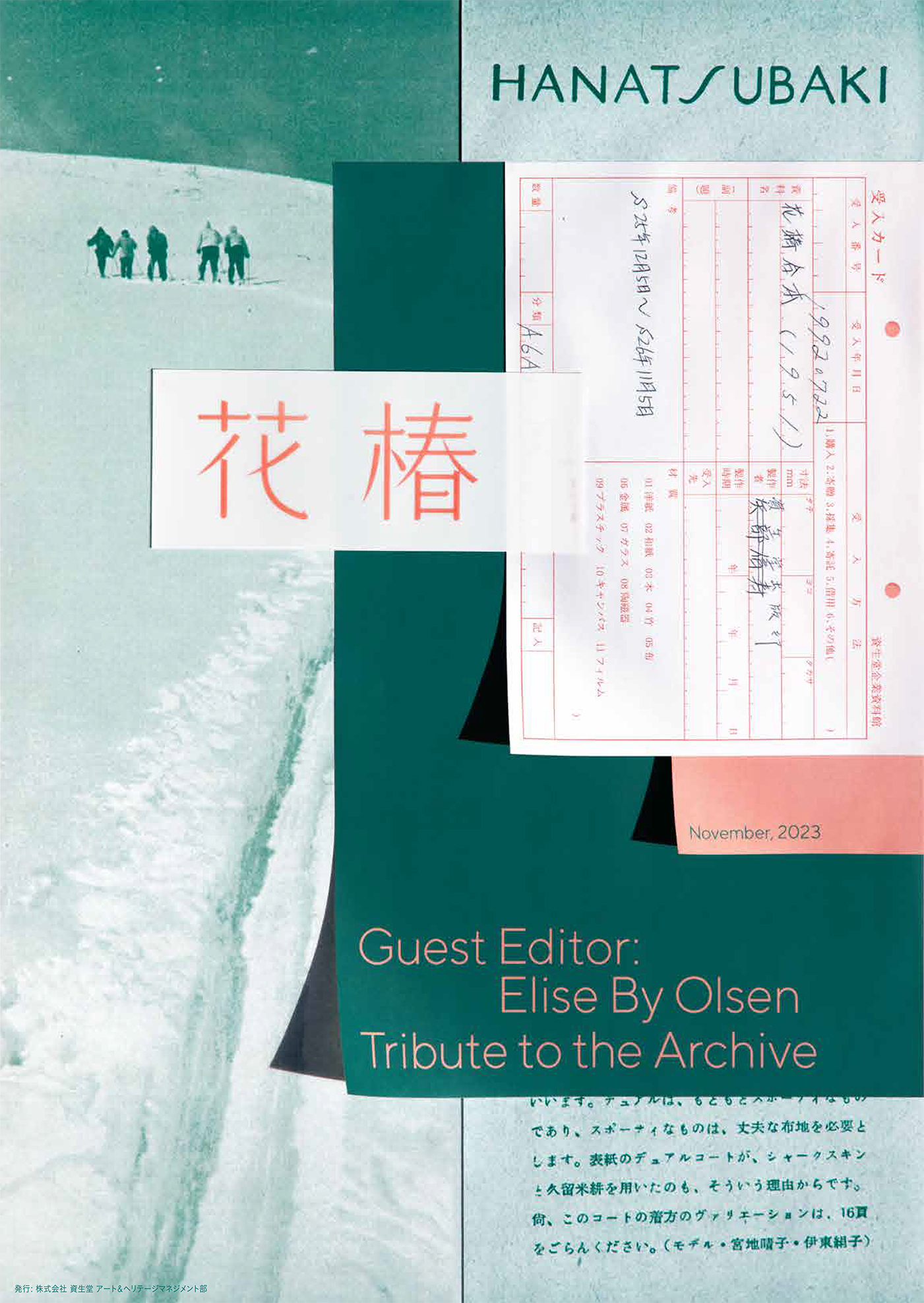
表紙
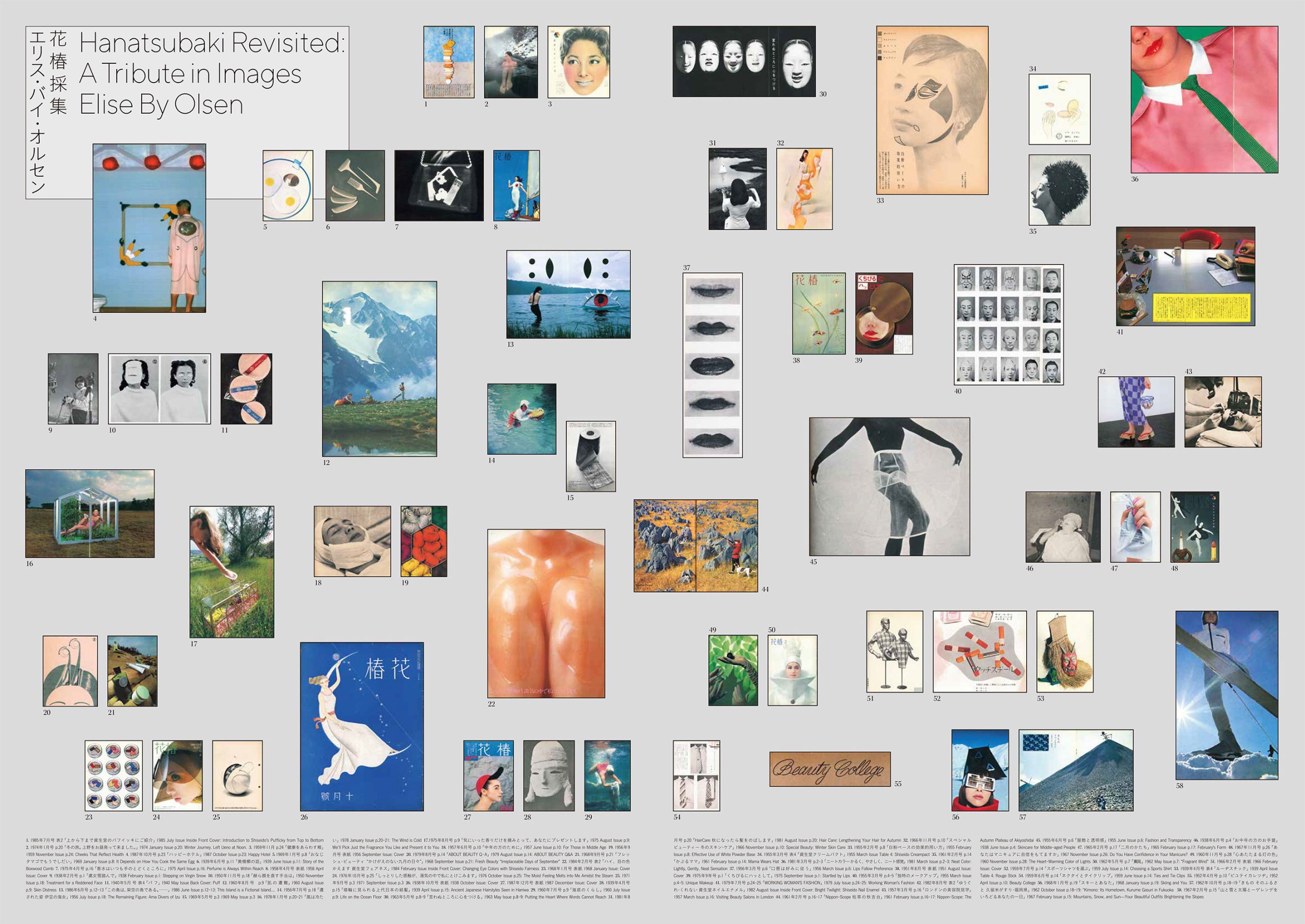
「花椿採集 エリス・バイ・オルセン」
エリス・バイ・オルセン
編集者、キュレーター、アーキビスト。1999年ノルウェー・オスロ生まれ。ユースカルチャー誌『Recens Paper』(2013–2017年)や、ファッション批評誌『Wallet』(2018–2021年)を創刊・編集。2020年には、ファッションに関連する印刷物や出版文化のアーカイブ、保存、発信を行う「インターナショナル・ライブラリー・オブ・ファッション・リサーチ(International Library of Fashion Research)」を設立。展覧会、出版、講演などのプロジェクトを通して、ファッションにおけるアーカイブの可能性を追求している。2023年のTOKYO ART BOOK FAIRでは、『花椿』へのオマージュとなる印刷物を制作した。
https://fashionresearchlibrary.com/
-
Photographic Dialogue with International Female Artists vol.2
Photographic Dialogue with International Female Artists vol.2
-
清原惟 『A Window of Memories』 語りと余白が編む、記憶のかたち
『A Window of Memories』
-
仲條ヲ語る#6 「Thank You for Making the Magazine Better」
Talking about Nakajo #6 "Thank You for Making the Magazine Better"
-
仲條ヲ語る#5 「デザインと人生が重なるところ」
Talking about Nakajo #5 “Where Design and Life Overlap”
-
仲條ヲ語る#4 「資生堂が持つ「文化的なイメージ」を つくり上げたのは仲條さんなのかもしれない。」
Talking about Nakajo #4 "Nakajo maybe the one who created the "cultural image" of Shiseido"
Talking about Nakajo #7 "For the Love of Print: Nakajō Masayoshi’s Enduring Hanatsubaki”
2026.7.24
Text/Elise By Olsen
In conjunction with the exhibition Nakajo Sings, Nakajo Dances—Letters, Pictures, and Shiseido, currently on view at Shiseido Gallery, the series “Talking about Nakajo” invites people closely connected to Masayoshi Nakajo to reflect on his work and his way of seeing.
The time they spent together, the words they exchanged, memories from the field—through each perspective emerges not only Nakajo as a designer, but Nakajo as a person.
For this seventh instalment, we speak with Elise By Olsen, founding director and archivist of the International Library of Fashion Research. For the TOKYO ART BOOK FAIR in November 2023, she created a printed tribute to Hanatsubaki. Looking through the magazine’s archive, from its founding in 1937 to the present, she discovered in the pages designed by Masayoshi Nakajo something that continues to resonate: the feel of paper, the accumulation of time, and the enduring power of magazines to carry themselves into the future. With a deep love for print, she reflects on what Nakajo left in editorial culture.
————————————————————————
In talking about contemporary publishing, it’s impossible not to mention the predicted death of printed media. There is a decline of traditional newsstands. The written word is halting, as social media platforms – with thirty-second videos, short-lived content and clickbait headlines on a scroll – turn their backs on text. Paper media have been somewhat neglected in the context of the internet, yet printed objects have returned to being private, sensible and immersive artefacts. Printed matter is loaded with collectibility, stackability and longevity which allows readers to wrestle with their attention spans, an experience the digital flicker can’t successfully imitate or replicate. I choose to believe that there is an enduring appeal or meaning in materiality, in physical objects, the time capsule, in printed magazines.
And with that insistent belief in magazines in mind, and as a print aficionado and overall archivist, it was incredible to have the opportunity to create a printed tribute to Hanatsubaki, which I did for Tokyo Art Book Fair in November 2023. In that process, I sifted through 831 issues of the iconic magazine, with issues ranging from November 1937 until present. I assembled physical piles of magazine tear-outs and a digital folder of cropped scans. I grappled with Hanatsubaki through decades of numerous formats, bindings, textures and tactilities, even smells. Archival pages that were torn and worn, yet delightfully eclectic, cutting edge and compact of aesthetic research. Very uplifting!
What however struck me – and has sat with me ever since – was Hanatsubaki during the extensive Nakajo Masayoshi years. For 30 years at the helm of the magazine, he was more than just an editor or art director. He built narratives. The images, texts and graphic bits were merely his tools, like the canvas and the brushes, or, say, the face and the brushes are a painter’s or make-up artist’s. Blending out what we – the readers – expected a beauty magazine – let alone a branded magazine – to be. He would put a Shiseido sunscreen in the mix of surrealistic fashion editorials. Delicately camouflaged cultural commentary and lots of humour. Hand drawn illustrations with state-of-the-art graphics. Snappy pop-culture references and absurd makeup tutorials. Completely avant-garde!
Masayoshi’s editorial ethos was aesthetics – whether it be in humans, in animals, in landscapes or in the world in general. Beauty did not need to be found on a face or through a cosmetics product, but in ‘the everyday’, everywhere, anytime. Creatively directed interpretations of nature, sports, technologies, and lifestyles. The damp, luminous skin of a woman bathing in a hot spring. A glass bag filled with flowers, placed in a meadow. A skier wearing psychedelic sunglasses. Skis seen from below. A figure in a pink shirt and green tie, photographed diagonally across the frame. An illustration of a fried egg. Health and strangeness, humour and disproportion, the everyday and the extraordinary all sit lightly together on the same page. Masayoashi’s vision – that beauty can be plural – makes my jaw drop!
Writing this I’m sitting in my library next to a stack of Nakajō Masayoshi’s Hanatsubaki issues, now his printed legacy. These issues are now enrolled in the International Library of Fashion Research’s permanent collection in Oslo where they will be made accessible and cherished by generations to come. They have already become huge hits amongst the younger generation who now get to grapple with these issues. Because Nakajō Masayoshi put Hanatsubaki – and the magazine at large – on a pedestal as a timeless and collectible artefact and printed object rather than a flimsy soft-covered quick digest. In fact, he has contributed to the evolution of printed media in fashion and beauty culture, that not only I, or these kids, look to, but also, I dare say, all other branded magazines that exist today. As we ask ourselves how do we imagine print changing moving forward, or will the magazine even survive, Masayoshi has made his mark on editorial culture for the future. I would even go as far as saying for eternity…
Elise By Olsen
Elise By Olsen
Editor, curator, and archivist. Born in Oslo, Norway in 1999. She founded and edited the youth culture magazine Recens Paper (2013-2017) and the fashion criticism journal Wallet (2018-2021). In 2020, she founded the International Library of Fashion Research, where she archives, preserves, and mediates printed matter and publishing culture related to fashion. Through exhibitions, publications, lectures, and other projects, she explores the possibilities of archives within fashion. For the TOKYO ART BOOK FAIR in 2023, she created a printed tribute to Hanatsubaki.
https://fashionresearchlibrary.com/